A Comprehensive Guide to Mental Health: Understanding, Caring, and Thriving
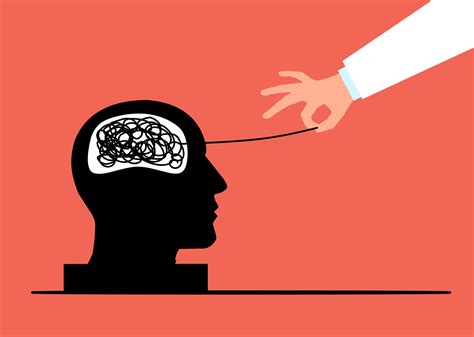
Mental health is an essential component of overall well-being that shapes how we think, feel, and act in daily life. It influences how we cope with stress, relate to others, and make decisions. Despite its importance, mental health often goes overlooked compared to physical health. This guide will provide a deeper understanding of mental health, common challenges, and practical steps for nurturing psychological well-being.
What Is Mental Health?
Mental health encompasses emotional, psychological, and social well-being. It affects how individuals:
- Handle stress and adversity
- Maintain relationships
- Make choices
- Feel about themselves and the world
Mental health is dynamic—it fluctuates based on biology, life experiences, and environment. Good mental health does not mean an absence of problems but rather having the strength and skills to manage challenges effectively.
The Biopsychosocial Model: A Holistic View
Understanding mental health involves looking through the lens of the biopsychosocial model, which includes:
- Biological factors: Genetics, brain chemistry, physical health, and family history play an important role in mental health.
- Psychological factors: Thoughts, emotions, coping styles, and past trauma impact mental well-being.
- Social factors: Relationships, community, work environment, and cultural background influence mental health.
This model demonstrates that mental health is complex and requires addressing multiple aspects for healing and growth.
Common Mental Health Challenges
Many people experience mental health issues that range from mild to severe. Some common conditions include:
- Anxiety Disorders: Including generalized anxiety, panic attacks, and phobias.
- Depression: Marked by persistent sadness, loss of interest, and fatigue.
- Stress-related Conditions: Chronic stress can lead to burnout and physical ailments.
- Mood Disorders: Such as bipolar disorder, involving mood swings and emotional instability.
- Trauma and PTSD: Resulting from adverse experiences affecting emotional health.
Recognizing symptoms early and seeking support can improve outcomes significantly.
How to Support and Improve Mental Health
Taking care of mental health is an ongoing process. Here are evidence-based strategies:
- Connect with Others: Strong social connections reduce feelings of loneliness and improve resilience.
- Stay Active: Physical activity releases endorphins that boost mood and reduce stress. Even daily walks help.
- Practice Mindfulness: Meditation, deep breathing, or simply staying present can calm racing thoughts.
- Maintain Sleep Hygiene: Aim for 7–9 hours per night to restore mind and body. Consistent sleep supports emotional regulation.
- Eat Nutritiously: A balanced diet rich in fruits, vegetables, and omega-3 fats supports brain health.
- Seek Professional Help: Therapy, counseling, or medication may be needed for complex mental health issues.
Therapy Options and Treatments
Psychotherapy is a cornerstone of treatment. Common types include:
- Cognitive Behavioral Therapy (CBT): Helps identify and change negative thought patterns.
- Dialectical Behavior Therapy (DBT): Focuses on emotional regulation and mindfulness.
- Exposure Therapy: Reduces fears through controlled exposure to triggers.
- Interpersonal Therapy: Addresses relationship issues and social skills.
- Medication: Can help balance brain chemistry, used alongside therapy.
Working with mental health professionals can tailor treatment plans to individual needs.
Overcoming Stigma and Promoting Awareness
Despite progress, mental health stigma remains a barrier to seeking help. Open conversations, education, and sharing stories contribute to normalization and support. Everyone’s mental health journey is unique, and compassion is key.
Final Thoughts
Mental health is integral to living a fulfilling life. By understanding challenges, practicing self-care, and reaching out for help, individuals can build resilience and thrive. Remember, seeking help is a strength, and mental wellness is achievable for all.