Seasonal Affective Disorder: A Compassionate Understanding of the Fall and Winter Struggles
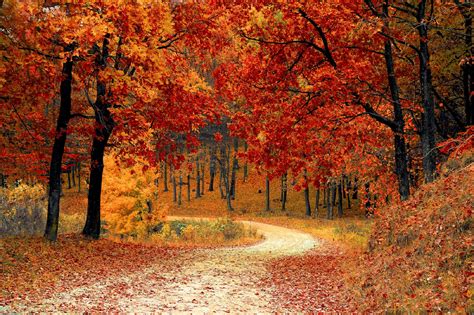
As the leaves change color and the crisp air of fall settles in much of the Northern Hemisphere, many people welcome this vibrant season with joy. But along with the beauty, fall also brings shorter days—sunlight fades earlier in the afternoon, and mornings greet us later than we might wish. For some, these natural changes in daylight can trigger a profound emotional response known as Seasonal Affective Disorder (SAD), a type of depression that follows the rhythm of the seasons.
What is Seasonal Affective Disorder?
Seasonal Affective Disorder is more than just the “winter blues.” It is a medical condition where people experience recurring episodes of depression that usually begin in late fall or early winter, when the days become shorter and darkness comes earlier. This can make the colder months feel heavier, harder to manage, and lonelier than usual.
Why Does SAD Happen?
Our bodies depend on natural light to regulate important brain chemicals like serotonin and melatonin, which influence mood and sleep. In the fall and winter, decreased exposure to sunlight can disrupt these natural rhythms. When the sun rises later and sets earlier, it can feel like the light is slipping away, affecting how energized and balanced we feel.
How Does SAD Feel?
The feelings that come with SAD can be overwhelming but knowing they are rooted in changing seasons can bring comfort:
- Persistent sadness or a low mood that seems to linger.
- Losing interest in hobbies or activities once loved.
- Feeling sluggish or low in energy, even after rest.
- Changes in appetite and cravings for carbohydrate-rich foods.
- Sleeping more than usual but still feeling tired.
- Difficulty concentrating or feeling “foggy.”
- Experiencing feelings of hopelessness or isolation.
These symptoms often start gently but grow stronger as the days stay dark and cold.
You Are Not Alone
It’s important to recognize that Seasonal Affective Disorder is common, especially in regions where winter days are shortest. Up to 5% of adults in the US experience SAD, with many more having some seasonal mood changes. These feelings are not a personal failing or weakness, but a natural response to environmental changes.
Finding Light in Darker Days
The good news is that SAD is treatable and manageable. Many people find relief through:
- Light therapy, where sitting by a special lamp that mimics sunlight can help reset the body’s internal clock.
- Talking therapies, such as cognitive behavioral therapy, which help shift negative thought patterns.
- Medication, when recommended by a doctor, to balance brain chemistry.
- Making time for outdoor activities during daylight hours, even when it’s cold.
- Cultivating routine, connection, and self-care, especially during the darkest months.
Compassionate Awareness
If the fall and winter feel especially difficult, it is okay to seek help. Understanding that these challenges come with the season but don’t define you is a gift. Reaching out to health professionals, loved ones, or support groups can create a path toward brighter days.
Seasonal Affective Disorder reminds us that humans are deeply connected to the rhythms of nature. By honoring that connection and caring for ourselves with kindness, we can find strength even when the days grow short and shadows lengthen.